
Back to Course List
Plastics: Math for Blow Molders: Program 2
- Product ID
- arasmfb2
- Training Time ?
- 77 to 154 minutes
- Language(s)
- English
- Video Format
- Standard Definition
- Required Plugins
- MasteryNet Player
- Lesson Interactions
- 73
- Quiz Questions
- 57

Overview
This the 2nd of a two-part training series that will help anyone within the blow molding industry looking to expand or fine-tune his or her math skills.
This course's topics move into metrics and imperial units; then continues to length and distance. A section of learning is designated to weight, mass, and force before continuing to conversion, understanding percentages, and calculating tolerances.
 This course is in the Advantage™ format, to read about Advantage™ features click here.

- Install on any SCORM LMS
- Rich multimedia presentation with interactions and quiz
- Print certificate and wallet card
- You have 30 days to complete the course
Workplaces
Audience
All persons within the blow molding industry.
Topics
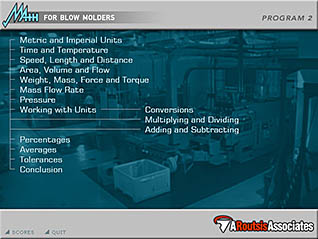
The course presents the following topical areas:
- Metric and Imperial Units
- Time and Temperature
- Speed, Length and Distance
- Area, Volume and Flow
- Weight, Mass, Force and Torque
- Mass Flow Rate
- Pressure
- Units: Conversions
- Units: Multiplying and Dividing
- Units: Adding and Subtracting
- Understanding Percentages
- Averages
- Tolerances
- Conclusion
Intended Performance Outcomes
Upon successful completion of this course you will be better prepared to:
- Identify the common units used within the plastics industry.
- Recall how time is measured.
- Understand how speed and length are measured and expressed.
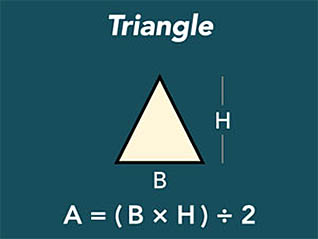
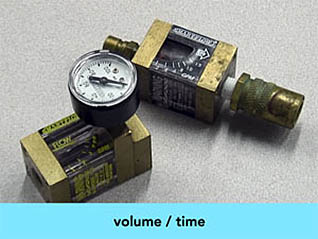
- Identify the basic formulas used to calculate area, volume, and flow.
- Identify how weight, mass and force are expressed in Metric and Imperial units.
- Explain how the consumption of material is rated and expressed.
- Recall how pressure is measured for polymer, air, hydraulic fluid, or water.
- Explain how to transfer a unit from one measurement system to another.
- Identify how units are combined or cancelled out when multiplying or dividing.
- Identify the proper way to treat units when adding or subtracting.
- Choose the proper way to represent a number as a fraction of one hundred.
- Determine the average, or mean, of a group of numbers.
- Identify a target dimension and its acceptable upper and lower tolerances.
© Mastery Technologies, Inc.
