
Electrical Safety: 2012 NFPA 70E Arc Flash Training
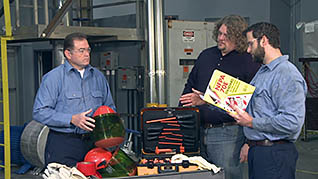
- Product ID
- erises2n_vod
- Training Time ?
- 27 to 32 minutes
- Language(s)
- English
- Video Format
- High Definition
- Required Plugins
- None
- Number of Lessons
- 11
- Quiz Questions
- 9
- Question Feedback
- Wrong Answer Remediation
- Lesson Bookmarking
- Downloadable Resources
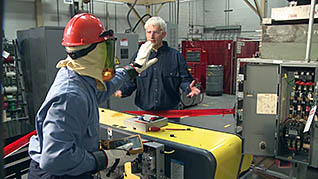
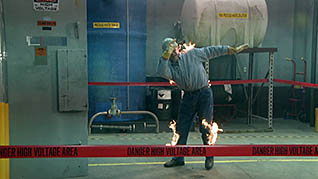
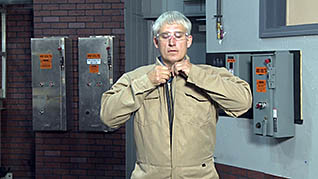
In order for qualified electric workers to be safe they must be able to recognize and avoid hazards posed by jobs and equipment. This online training video on the arc flash standard guides learners through selected safe practices for electrical workers as defined by National Fire Protection Association (NFPA) 70E.
This program provides in depth coverage of the 2012 NFPA 70E requirements including how all workers must be properly qualified for the job at hand and understand how to create electrically safe working conditions. The video explains energized electrical work permits, job specific Personal Protective Equipment (PPE), approach distances, Arc flash hazards, and work practices to prevent Arc Flash injuries.
Strict adherence to 2012 NFPA 70E requirements keeps all workers safe. For example, Personal Protective Equipment (PPE) is often uncomfortable and may take longer to put on than you might like, but the alternative could be severe injury or death. Use this online video training to ensure your safety as a qualified electrical worker.
 This course is in the Video On Demand format, to read about Video On Demand features click here.
- Install on any SCORM LMS
- Full-screen video presentation
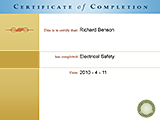
- Print certificate and wallet card
- You have 30 days to complete the course
Workers who operate on or around energized electrical parts
- Introduction
- The Qualified Electrical Worker
- Dual Hazards of Electricity
- Electrically Safe Work Condition
- Testing for Zero Energy State
- Energized Work
- Approach Boundaries
- Arc Flash Boundary
- Arc Rated Clothing
- Hazard Risk Categories
- Summary
© Mastery Technologies, Inc.
